
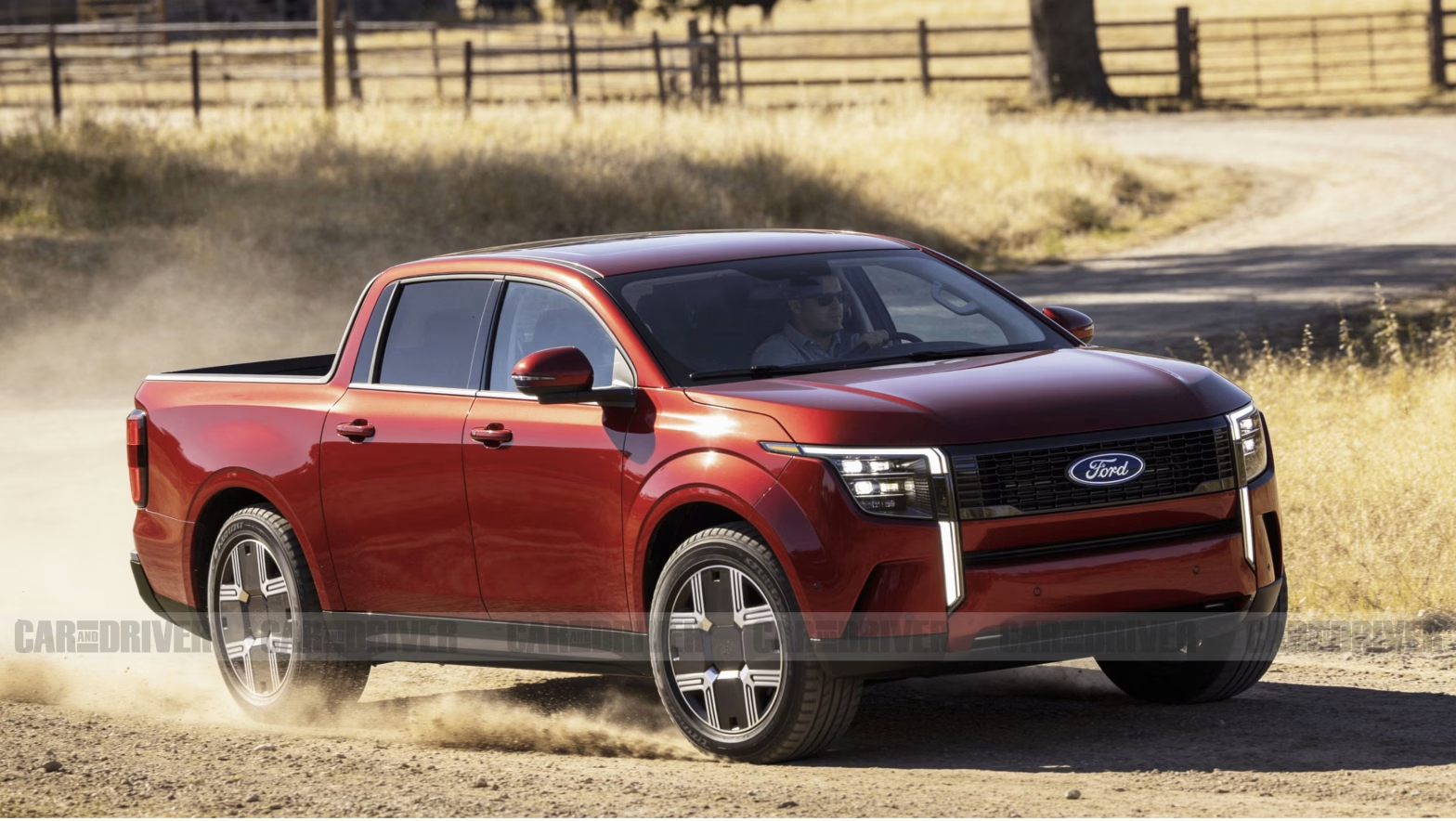
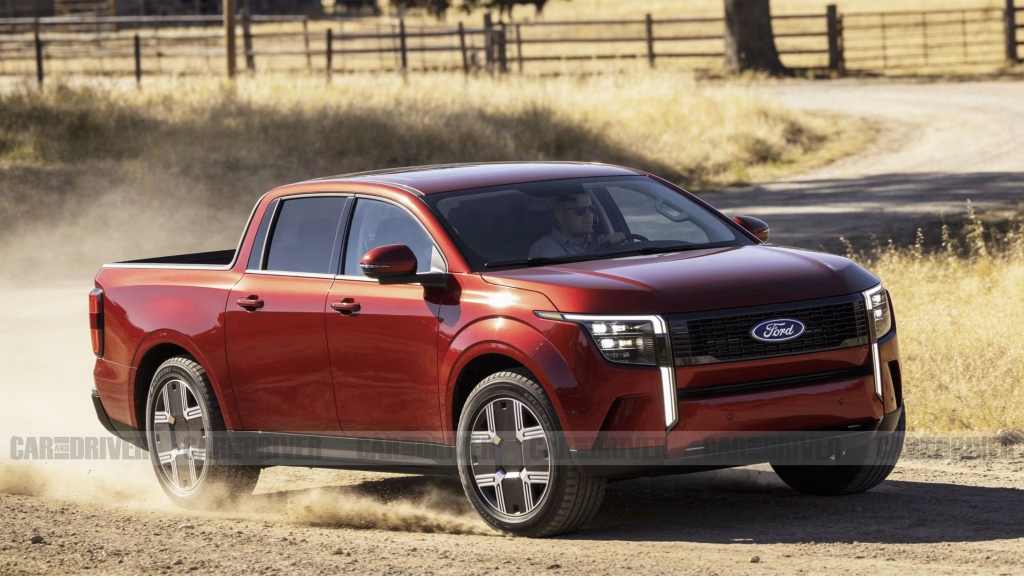
Ford wants its next electric truck to do for EVs what the Model T did for cars: make them cheap enough that everyone can have one. The vehicle — expected to revive the old Ranchero name — starts around $30,000, enters production in Kentucky in 2027, and arrives as a 2028 model. In a market where the average new car now tops $52,000, that number alone is the headline.

It’s the first of many vehicles to ride Ford’s new “Universal EV” platform, a modular skateboard that can stretch from subcompacts to three-row SUVs to vans. The architecture is built to be cheap on purpose: 20% fewer parts, 20% fewer fasteners, a lighter wiring harness, low-cost lithium-iron-phosphate batteries, and a 400-volt system instead of the pricier 800-volt setup. Slower charging is the trade-off Ford made to hit the price.
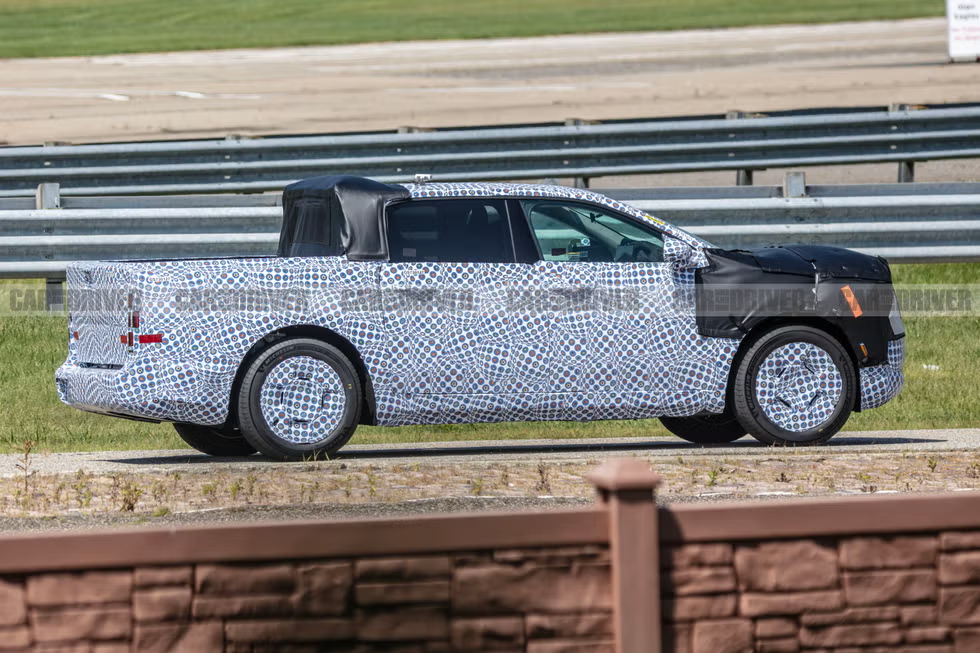
Despite a footprint close to the compact Maverick, Ford claims more passenger room than a Toyota RAV4 — plus a front trunk and a cargo bed. No official range yet, but expect at least 300 miles, with a base rear-motor version and a dual-motor AWD model to follow. Ford even says it’ll hit 60 mph about as quickly as an EcoBoost Mustang.
Here’s the clever part: it barely has a rival. The Chevy Bolt and Nissan Leaf match the price but have no bed; the bare-bones Slate truck climbs fast once you add anything. A roomy, sub-$30K electric pickup would sit in a lane of its own.

The risk is timing
The risk is timing. EV demand went soft after the federal tax credit vanished, and Ford has already eaten billions in EV losses and killed its big battery projects. This “Model T moment” only works if the excitement turns into profit — otherwise it’s another expensive lesson. But if Ford bottles even a little of the Maverick’s magic, the Ranchero could be the truck that quietly makes electric ownership feel ordinary.