
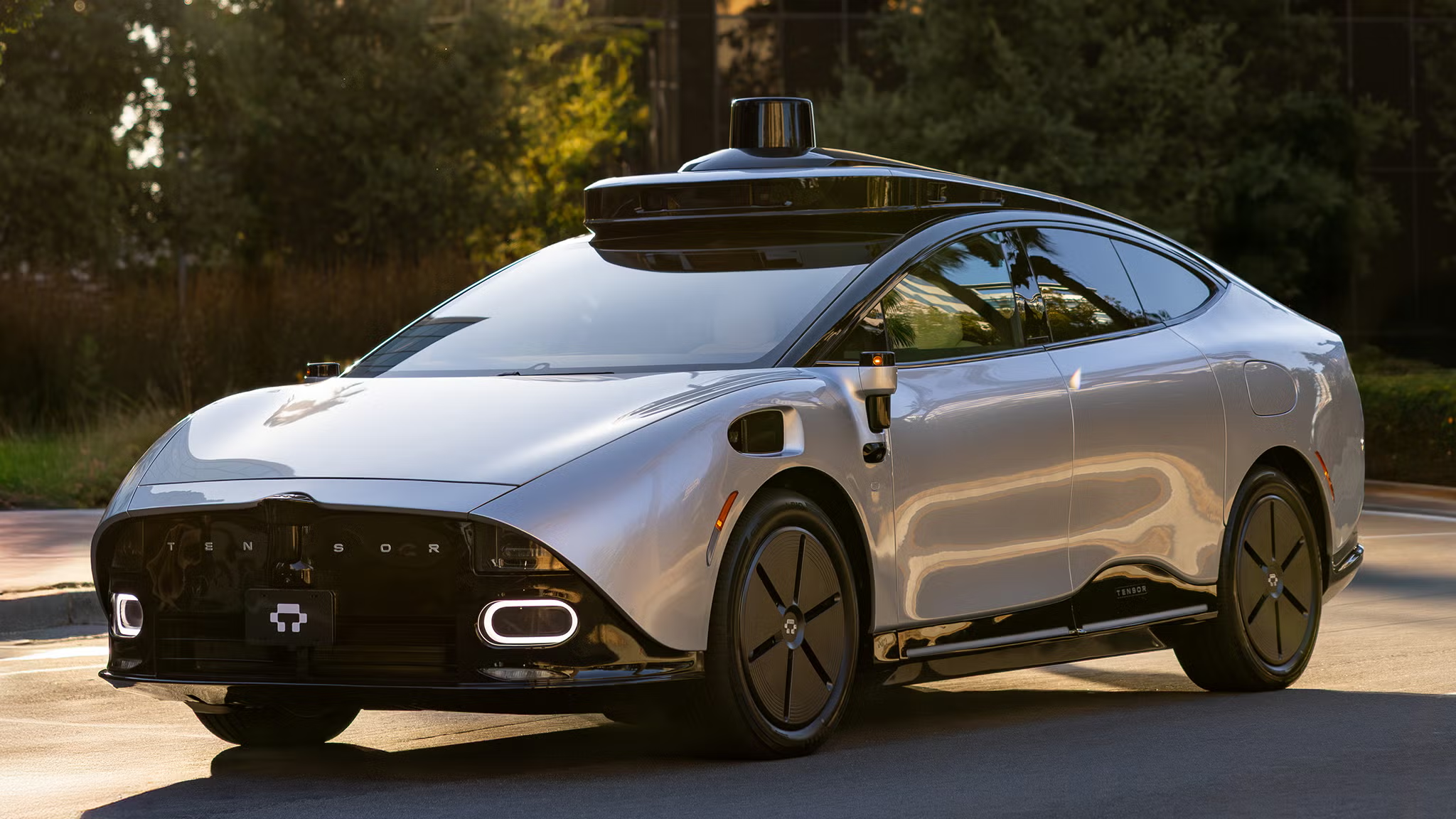
Tensor’s 37-Camera Robocar Might Be the First True Self Driving Car You Can Actually Own
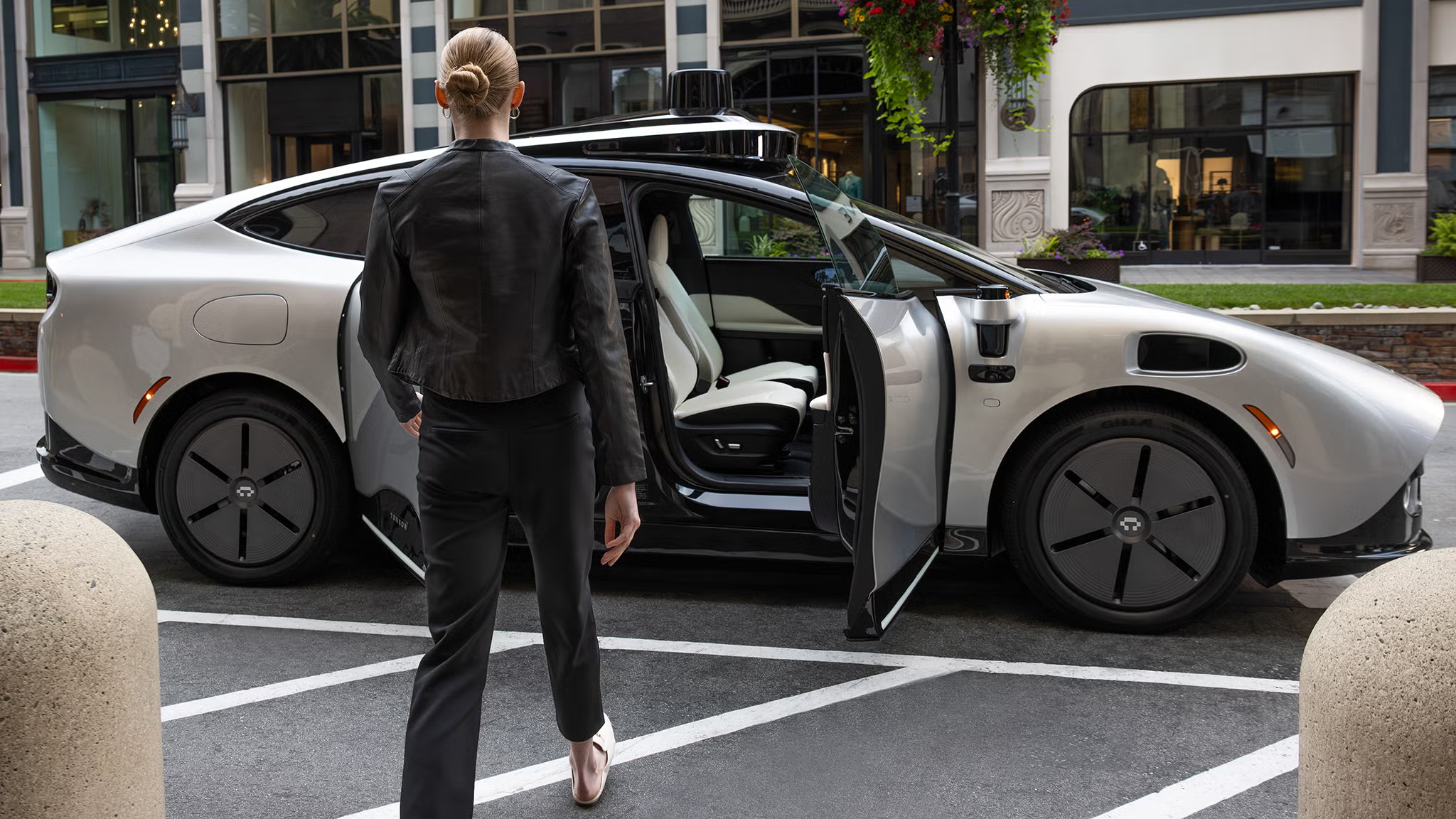
The Tensor Robocar arrives with a clear agenda. It is an electric vehicle engineered for autonomy from day one, not a conventional car loaded with assists.
The company is positioning it as a genuinely self driving personal vehicle, something consumers have been promised for years but never handed the keys to.
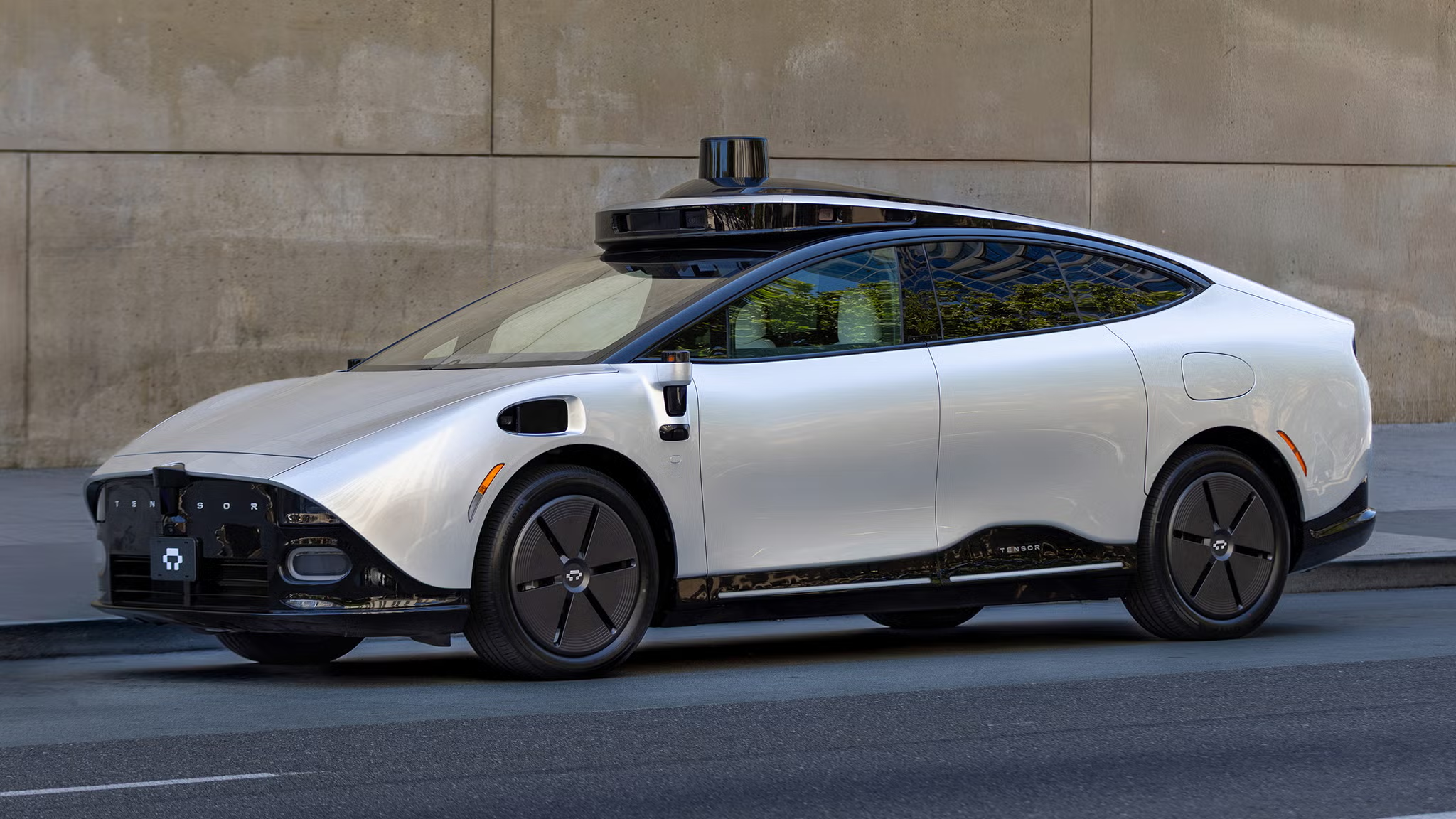
Power comes from a 112 kWh battery pack that delivers an estimated range of about 250 miles. The system runs at 845 volts, which provides notably quick charging.
Tensor says the Robocar can move from 10 percent to 80 percent in roughly 20 minutes, a figure that puts it in line with the latest high voltage EV platforms.
The hardware suite is where the Robocar separates itself. More than 100 sensors feed continuous data to the vehicle, including 37 cameras, five LiDAR units, 11 radar modules, and a full ring of ultrasonic sensors.
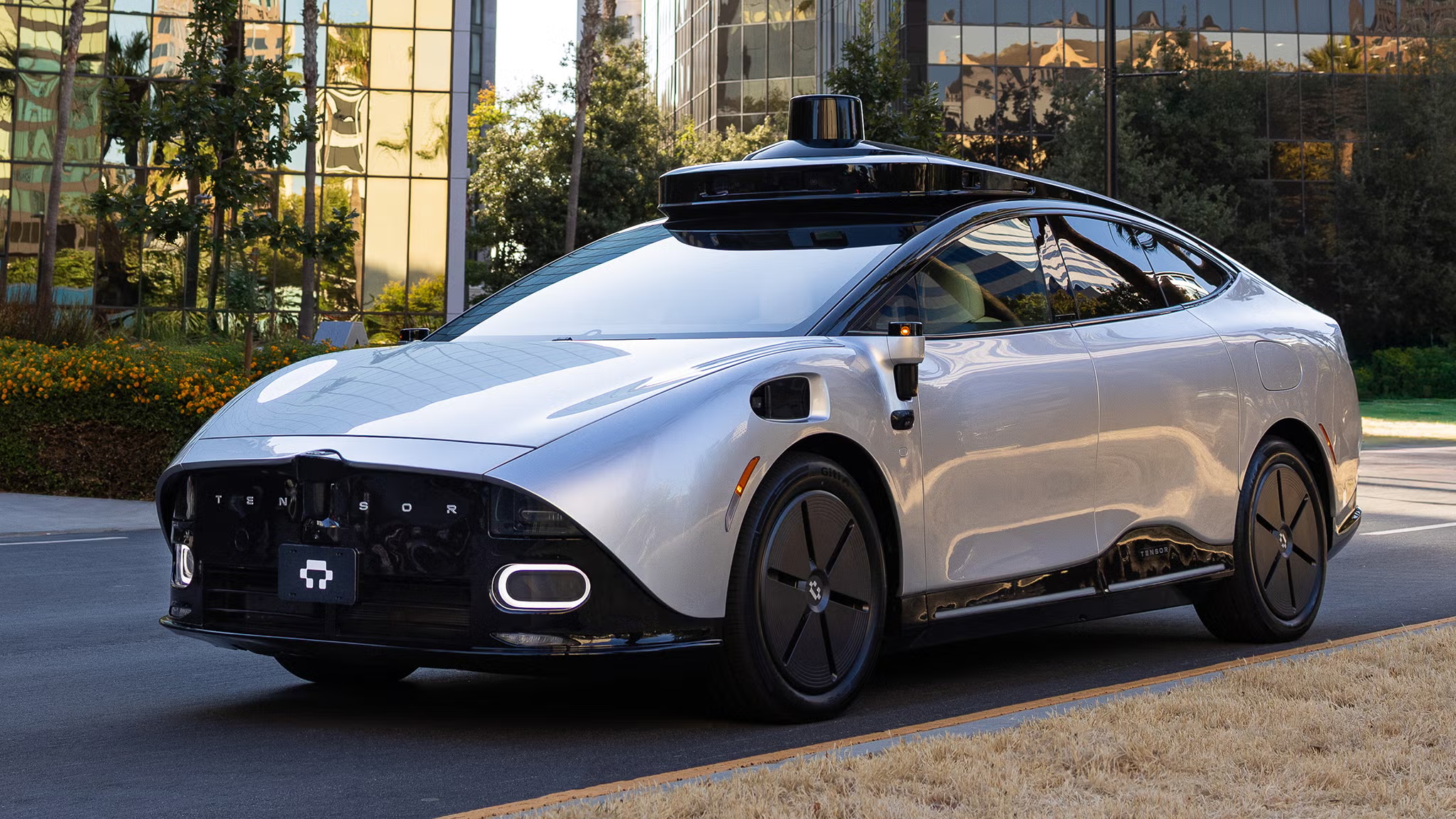
The roof mounted LiDAR can identify objects nearly 1,000 feet away. Every sensor includes its own cleaning and heating system, designed to keep the autonomy stack operating consistently in poor weather.
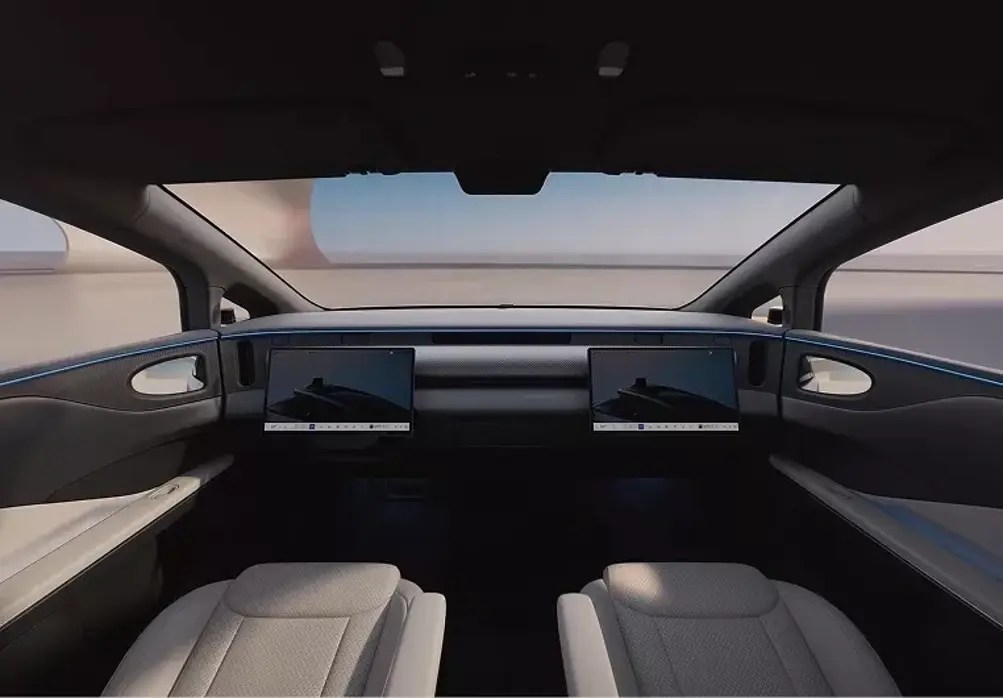
Inside, the Robocar presents a layout built around hands off driving. The steering wheel and pedals retract completely when not required, opening the cabin and shifting the focus to a sliding central display. Voice commands and smartphone based control let the user direct the car without interacting with traditional controls.
Tensor runs all processing locally. Eight NVIDIA Drive processors provide 8,000 trillion operations per second, enough headroom for real time perception, decision making, and planning.
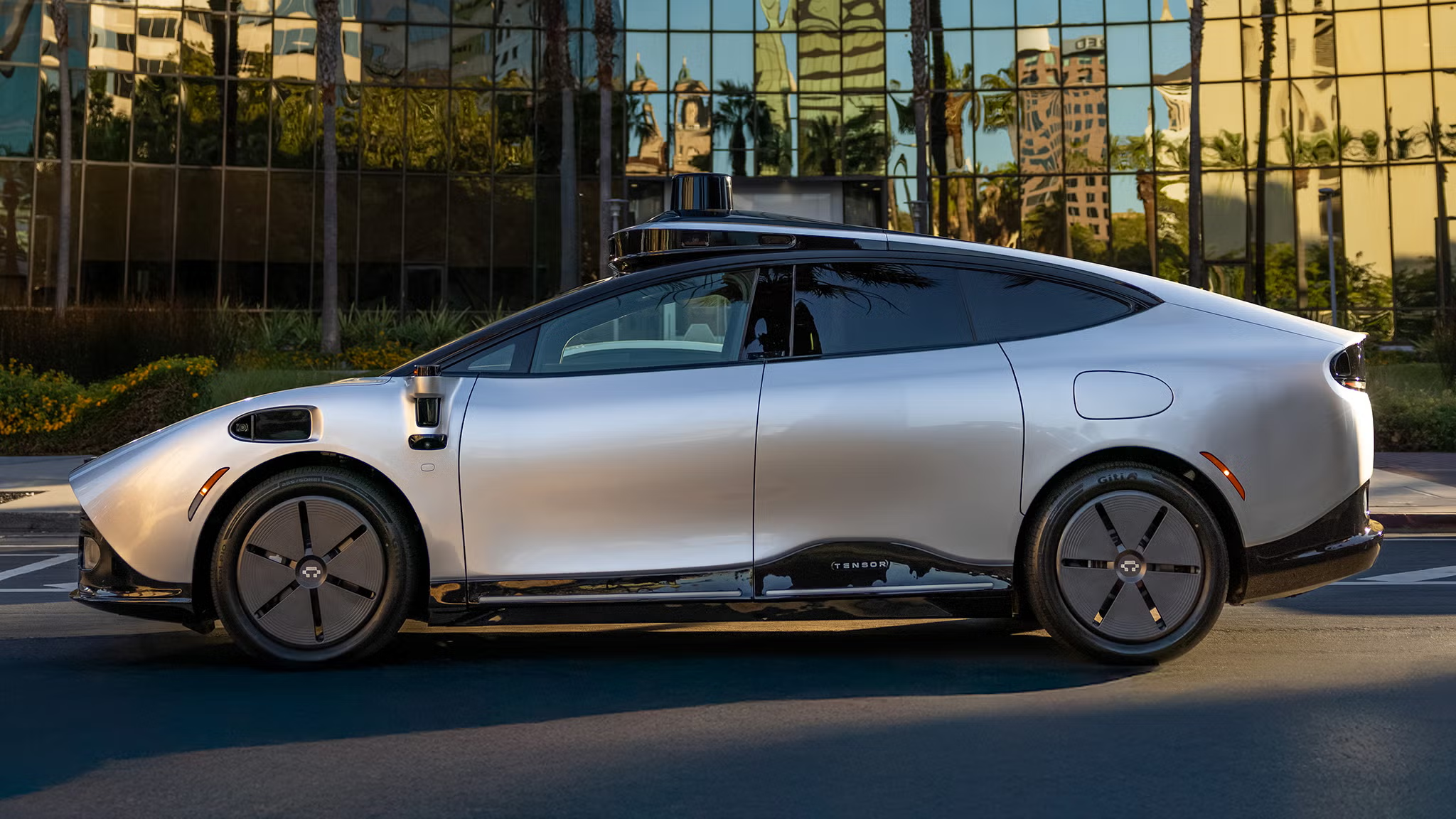
The company uses a dual layer AI approach, combining reactive driving behavior learned from experienced drivers with a Visual Language Model capable of evaluating uncommon or complex situations. The goal is consistent performance in everyday driving as well as reliability in edge cases.
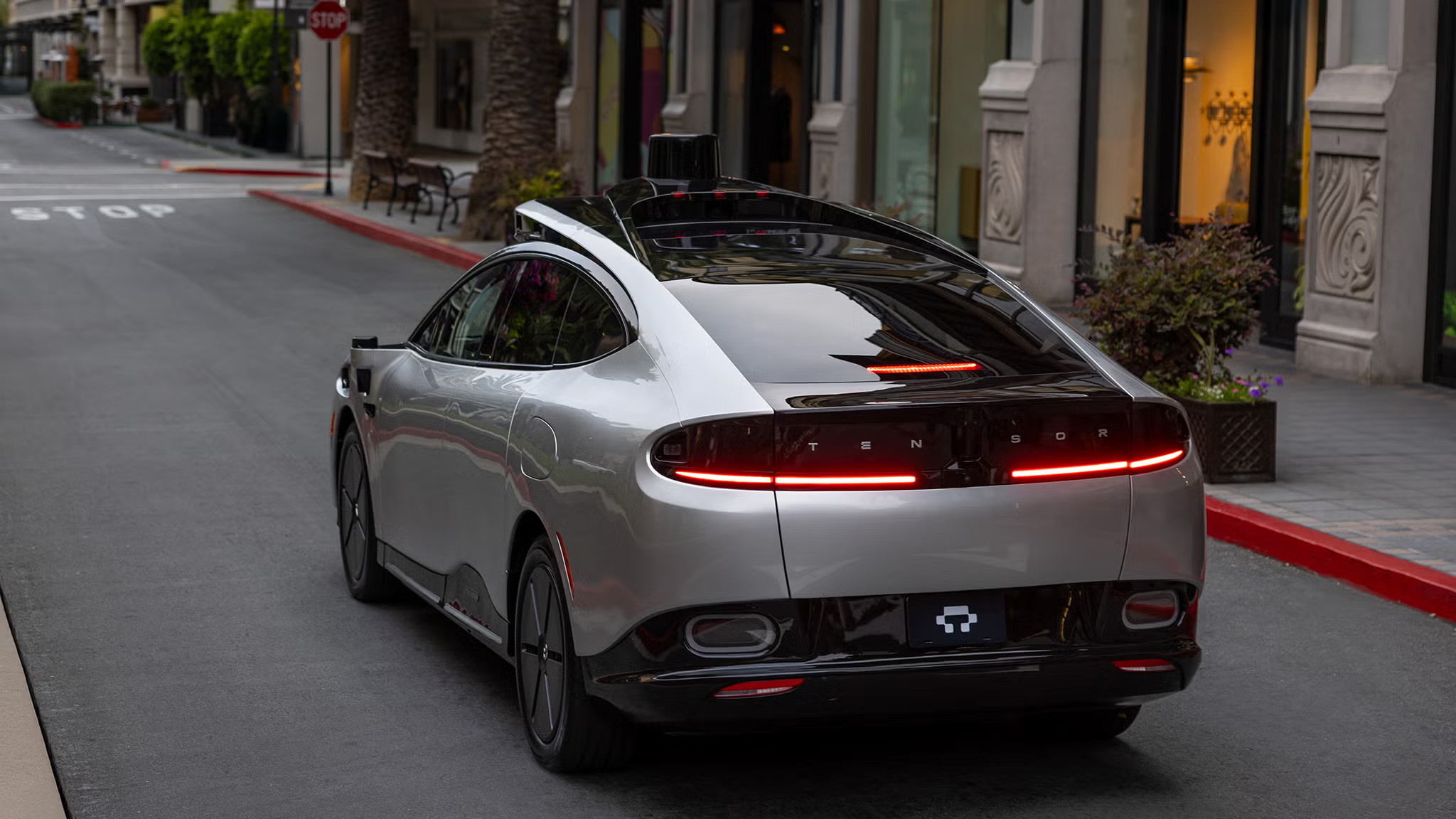
Drivers can still take control at any point, but the Robocar is designed to handle most tasks independently. It can navigate, park, manage its own charging, and perform system checks and updates without user involvement. The intent is a vehicle that functions as an autonomous mobility tool rather than a conventional car with autonomy added on top.
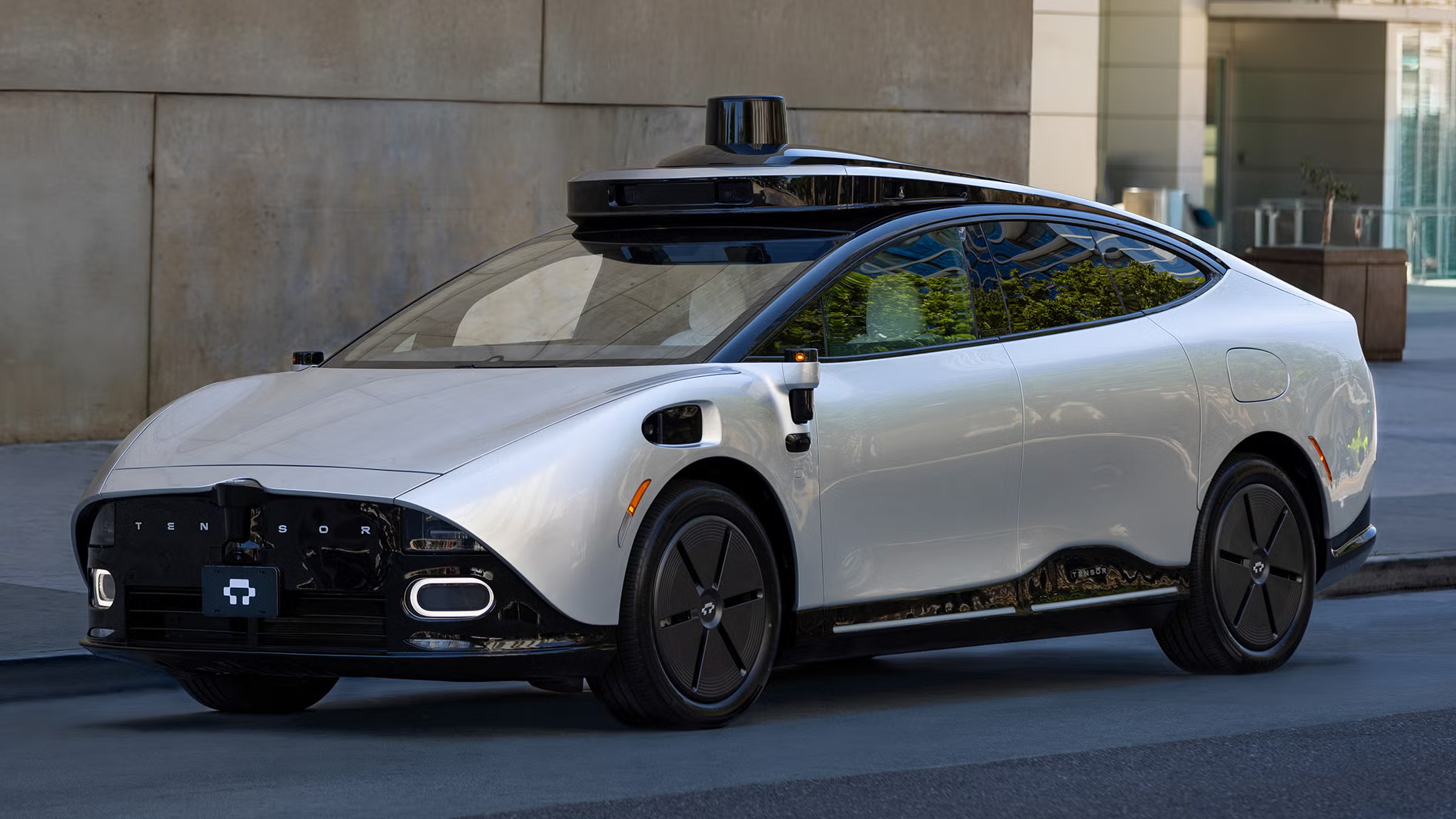
Tensor expects to begin deliveries in 2026 across the United States, Europe, and the UAE. If execution matches ambition, the Robocar could mark a meaningful shift toward consumer grade self driving vehicles rather than prototypes and pilot programs.
See more at Tensor.auto. See more on Motor Trend.
 Electric Future
Remain to be convinced about the technology and any real necessity for it, but there is no getting away from the fact that it is incredibly ugly. You wouldn’t be seen dead in one I re kon.
LikeLike