
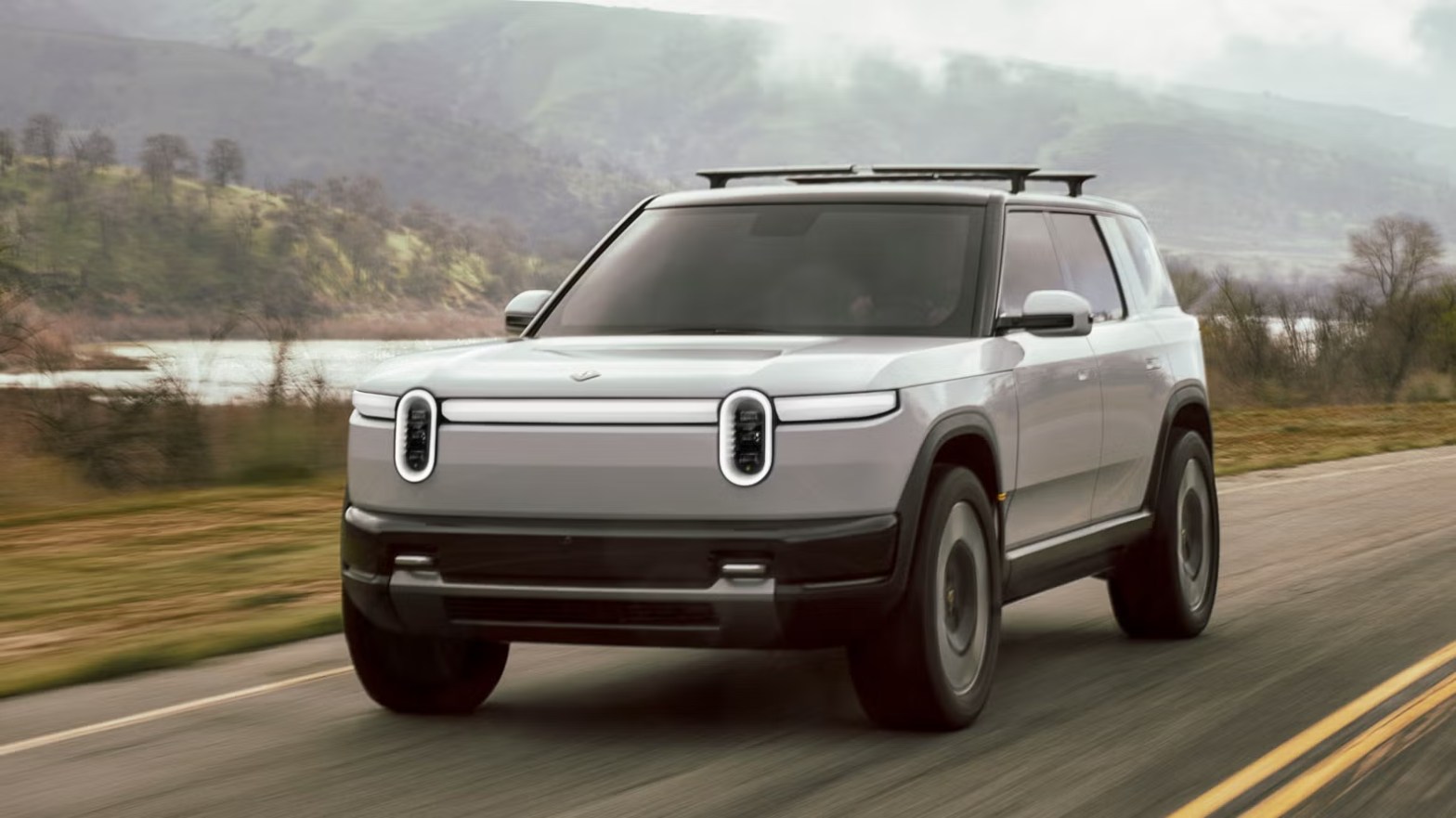
There’s a version of Rivian’s story that ends badly. The company burns through cash, the niche R1T/R1S trucks stay niche, and another promising EV startup quietly fades. That version is still possible. But the R2 — Rivian’s smaller, more affordable SUV launching this spring — is the clearest sign yet that Rivian has a serious plan to avoid it.
A Different Kind of Rivian
The R1S and R1T are genuinely great vehicles. If you’ve spent time around one, you already know: the build quality is excellent, the software is surprisingly good, and the off-road chops are real. The problem has always been that starting around $70,000, they’re aspirational for most people. The R2 changes that math significantly. It starts at $45,000 — still not cheap, but within striking distance of a well-optioned Tesla Model Y or Ford Mustang Mach-E, which is exactly where Rivian needs to be competing.
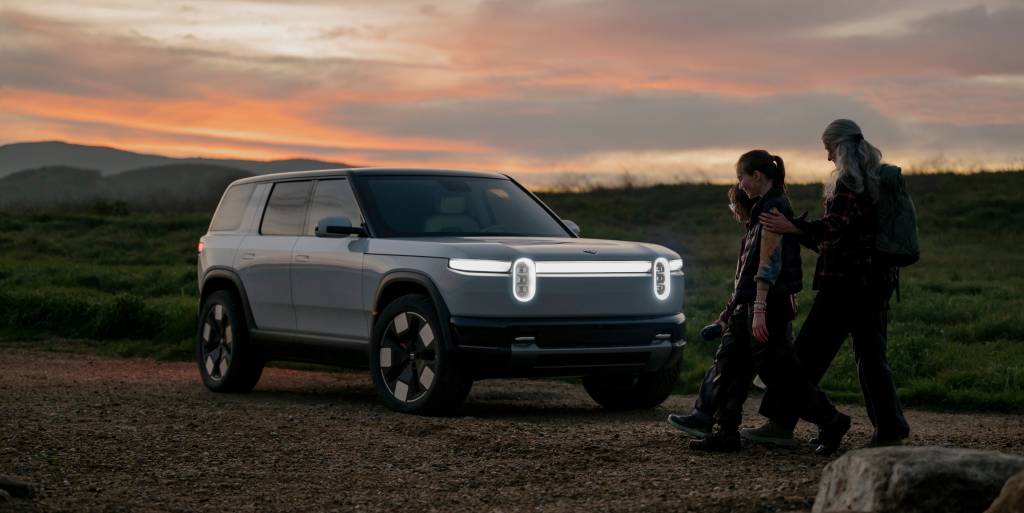
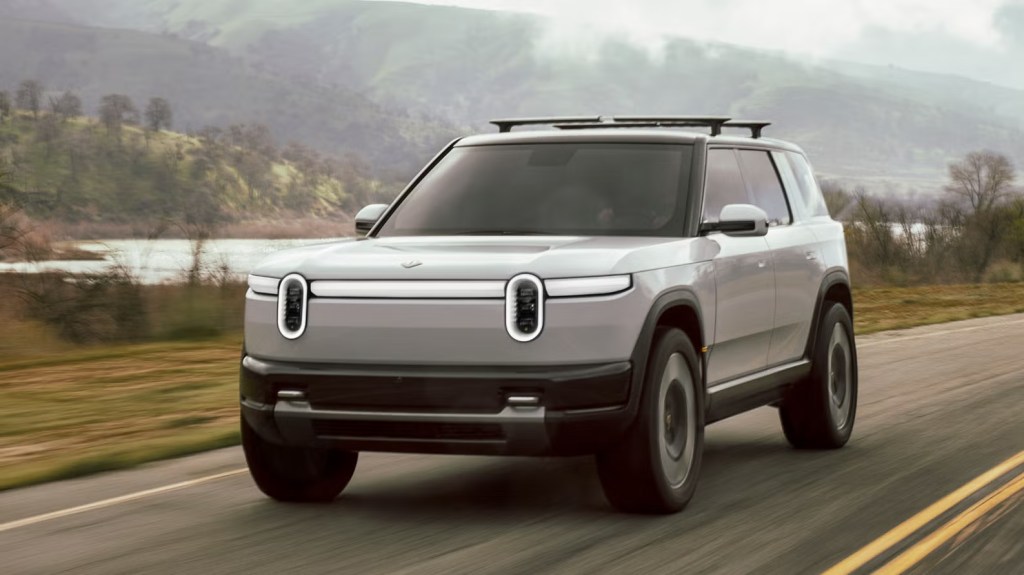
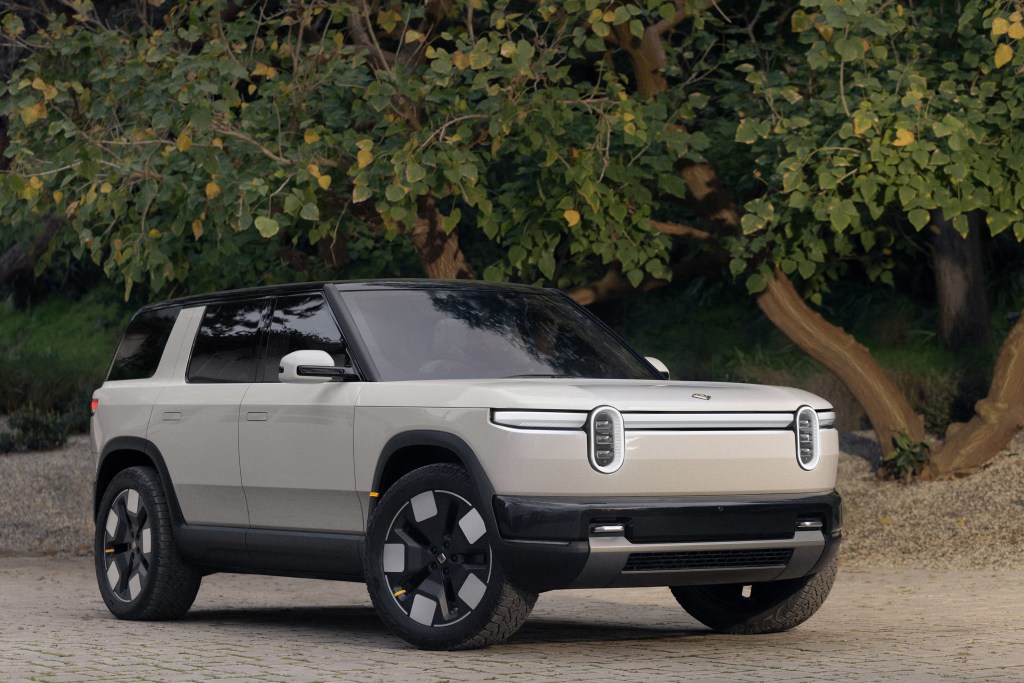
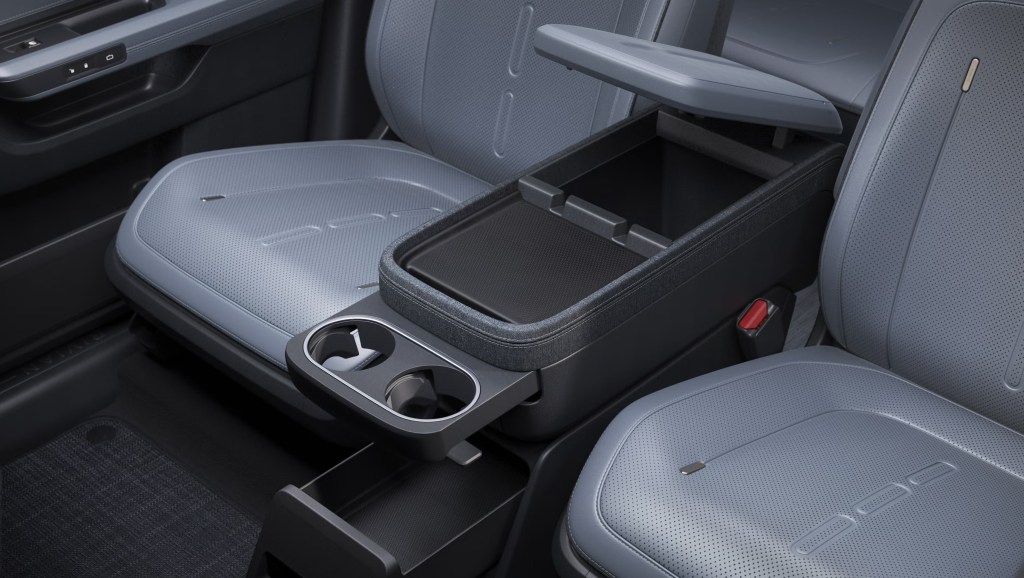
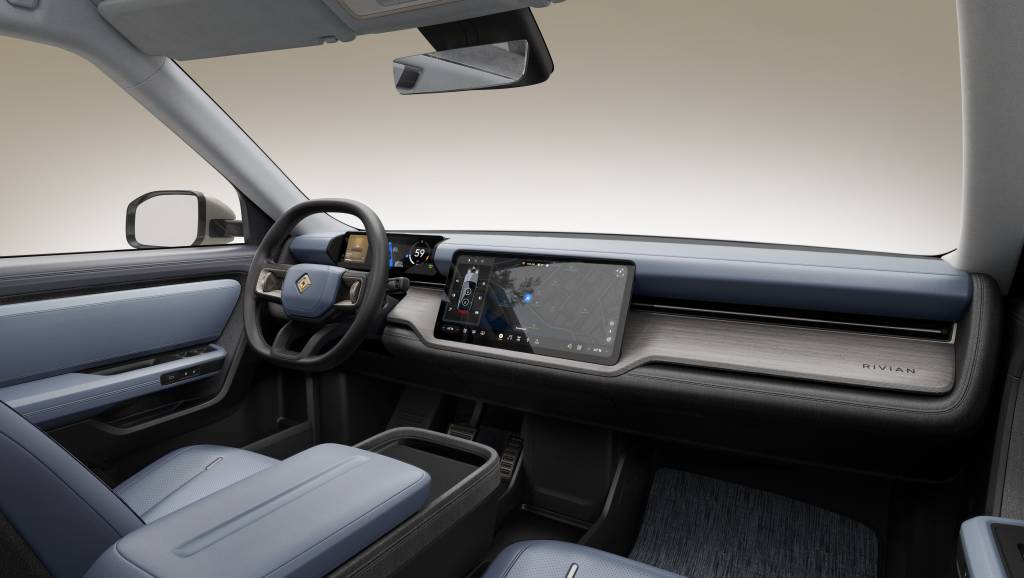
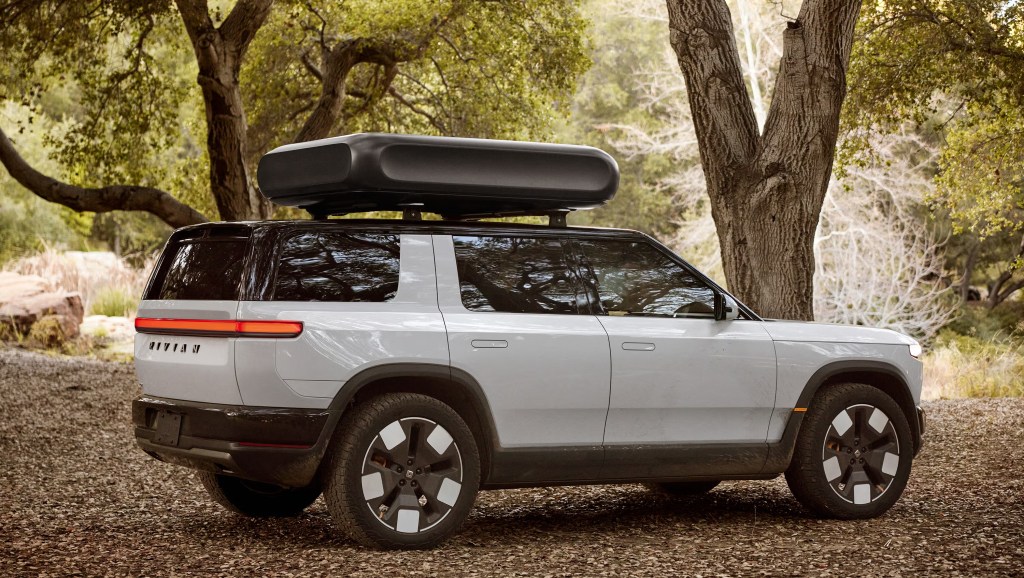
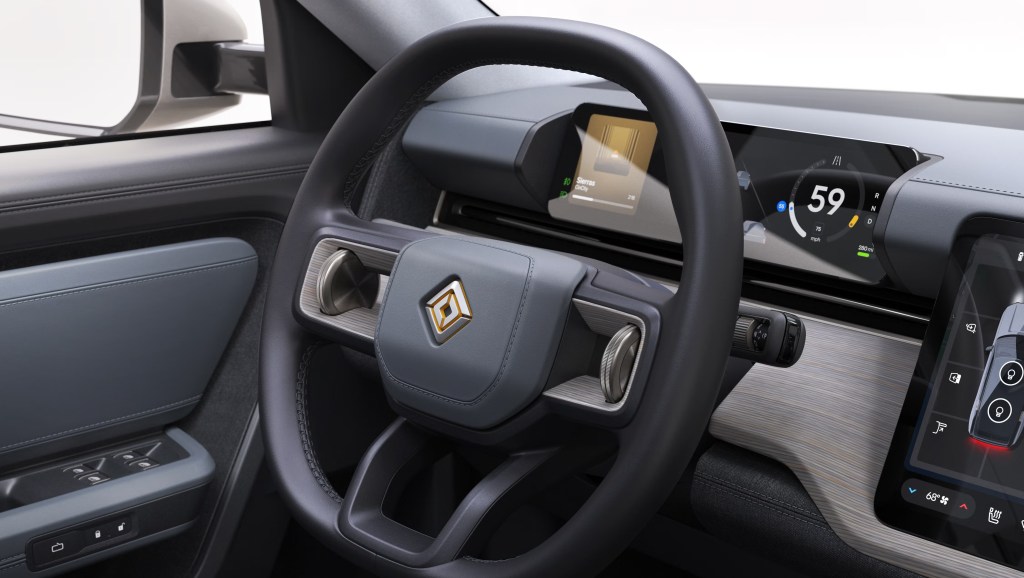
It’s a compact SUV with seating for five, a 15.6-inch touchscreen, and the same unmistakable Rivian design DNA — upright oval headlights, a powered rear window that retracts into the liftgate, and a boxy, utilitarian shape that somehow still looks intentional. Inside, elongated windows and a clean layout make the cabin feel bigger than the footprint suggests.
The Specs Are Actually Impressive
Rivian is offering the R2 in three powertrain configurations: single-motor RWD, dual-motor AWD, and a tri-motor AWD variant that hits 0–60 mph in under three seconds. The single-motor version is the value play, with over 300 miles of estimated range — a number that covers virtually every real-world use case for a family SUV. Launch Edition buyers get the dual-motor AWD setup first, with broader availability rolling out through the year.
One genuinely significant detail: the R2 is the first Rivian with native support for Tesla’s NACS charging port. That means plug-in access to over 20,000 Tesla Superchargers without an adapter — a practical advantage that, as recently as two years ago, would have been unimaginable.
What’s at Stake
Rivian has been unusually candid about the pressure riding on this launch. The company is projecting 20,000 to 25,000 R2 deliveries in 2026, with analysts expecting that to grow significantly as production scales. Revenue forecasts for the full year sit around $6.9 billion, which would mark a real step up from 2025. But Rivian is also projecting losses of $1.8 to $2.1 billion this year — so the margin story still needs to develop.
That’s the honest tension here. The R2 could absolutely be the volume vehicle that finally gets Rivian to profitability. Or the ramp could stumble — supply chain issues, slower-than-expected demand, tariff pressure on battery materials — and the window narrows. Wedbush Securities has called 2026 a genuine inflection point. So has basically every analyst who follows the company. That’s either encouraging or terrifying, depending on your appetite for risk.
The Bigger Picture
What the R2 represents beyond its own specs and sales numbers is a philosophy: that the future of electric vehicles isn’t just in the premium tier. Rivian built its reputation on beautiful, capable, expensive trucks. The R2 is the company betting that the same thoughtfulness — the same attention to software, build quality, and user experience — can work at a price point that actually reaches people.
If it lands, it matters well beyond Rivian’s balance sheet. A credible, well-designed American EV at $45,000 from a brand that isn’t Tesla reshapes what mainstream electric ownership looks like. That’s worth paying attention to, even if you’re not in the market.
Rivian has a habit of making vehicles that people genuinely love once they get into one. The R2’s job is to widen that circle considerably. Spring 2026 is when we find out if the plan holds.
 Electric Future