
The best sustainable home products of 2026 share something that goes beyond energy ratings and recycled packaging: they’re designed to last. In a product landscape still dominated by planned obsolescence and annual refresh cycles, the objects that genuinely deserve the “sustainable” label are the ones built on the opposite premise — that the most environmentally responsible product is one you buy once and keep forever.
This is the design philosophy that Joe Doucet has applied to furniture, that AltiHut has applied to shelter, and that a growing cohort of home technology and product designers are applying to the objects that make a home run. The result is a category of products that look and feel different from their conventional counterparts — heavier, more considered, more deliberately made — because they were designed against a different set of constraints.
“Sustainable isn’t a material or a certification. It’s a design commitment to making something worth keeping.”
What to Look for in 2026
The home products category has matured considerably in the past few years. Here’s what separates the genuinely sustainable choices from the greenwashed ones:
- Repairability: Can it be fixed when something breaks, or is it designed to be discarded? The best products in 2026 come with published repair guides, available spare parts, and modular components that can be replaced individually.
- Material honesty: Natural and recyclable materials over composites that can’t be separated at end of life. Aluminum, glass, solid wood, and ceramics over plastic-metal hybrids.
- Energy efficiency at the system level: Not just the product’s energy draw, but how it integrates with home energy systems — solar, battery storage, smart management.
- Longevity warranty: Manufacturers confident in their products’ durability are offering 10, 15, and 25-year warranties. If the warranty is three years, that’s a signal.
The Home Energy Layer
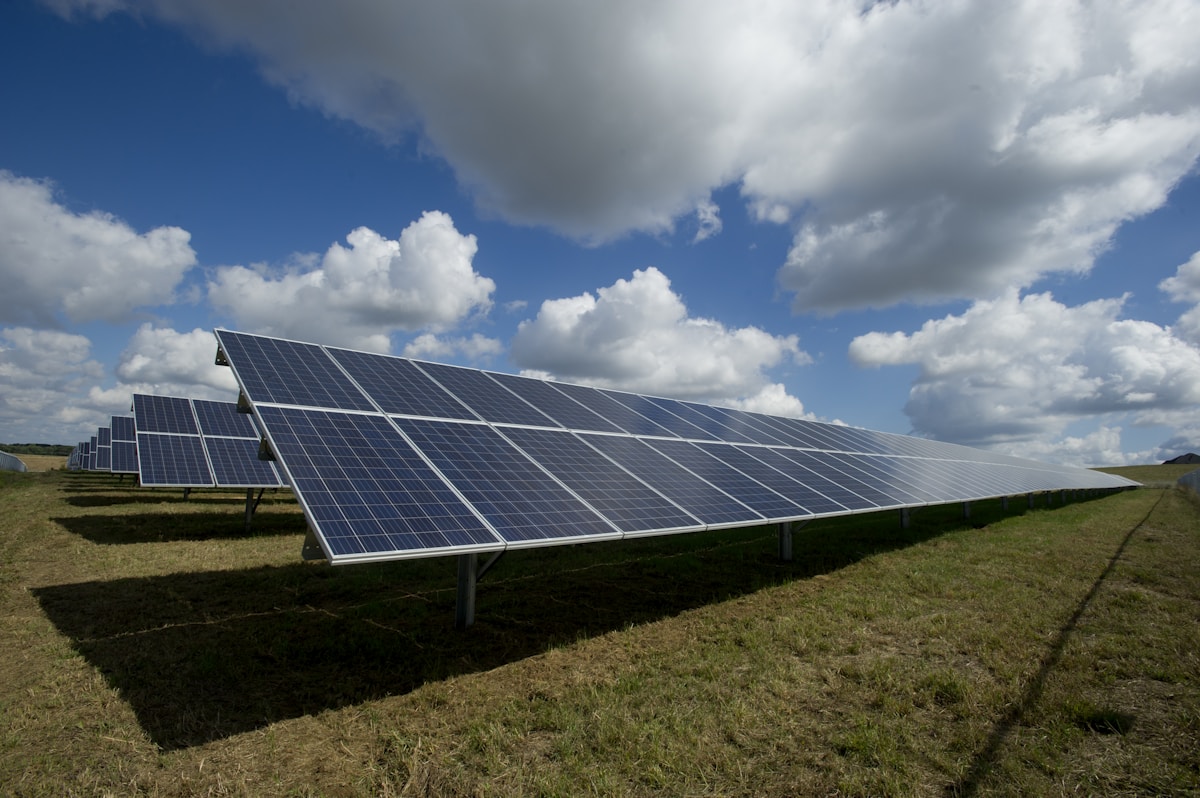
The most significant sustainable home upgrade available in 2026 isn’t a product in the conventional sense — it’s a system: rooftop solar plus battery storage plus a smart energy management platform. The economics have shifted decisively. In most US markets, a properly sized solar-plus-battery installation now generates a positive return within eight to ten years, with a system lifespan of twenty-five years or more.
The products that sit on top of this system — heat pumps, induction cooktops, EV chargers, smart thermostats — are meaningful purchases when they’re part of an electrified home running on clean energy. Without that foundation, they’re marginal improvements. With it, they’re part of something that genuinely changes a home’s relationship with energy and environment.
The Design Dividend
What’s striking about the best sustainable home products of 2026 is that they’re also, consistently, the most beautiful ones. This is not a coincidence. The design values that produce longevity — material quality, precise manufacturing, considered proportion — are the same values that produce beauty. The object built to last a generation looks and feels like it was built to last a generation. That’s the design dividend of sustainable thinking, and it’s one of the most compelling reasons to adopt it.
 Electric Future