
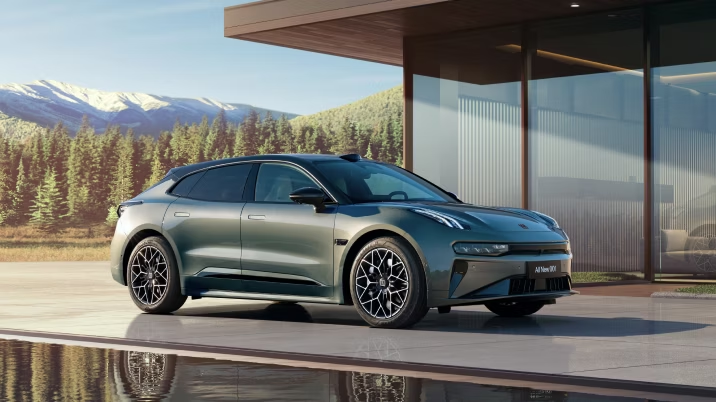
Geely came to CES in Las Vegas with a pretty clear message for U.S. media: “You’re going to see more of us.” The Chinese auto giant has been giving journalists test drives of EVs from brands across its portfolio and, in the process, hinted that a formal decision on entering the U.S. market is coming sooner than many expected.
What Geely said
In an interview posted by Autoline Network, Ash Sutcliffe (Geely Holding Group’s head of global communications) said the company expects to make an announcement on “when and where” it will go to the U.S. within the next 24–36 months.
Important nuance: Sutcliffe was talking about an announcement timeline, not necessarily cars rolling off lots by then.
Which brands could come to the U.S.?
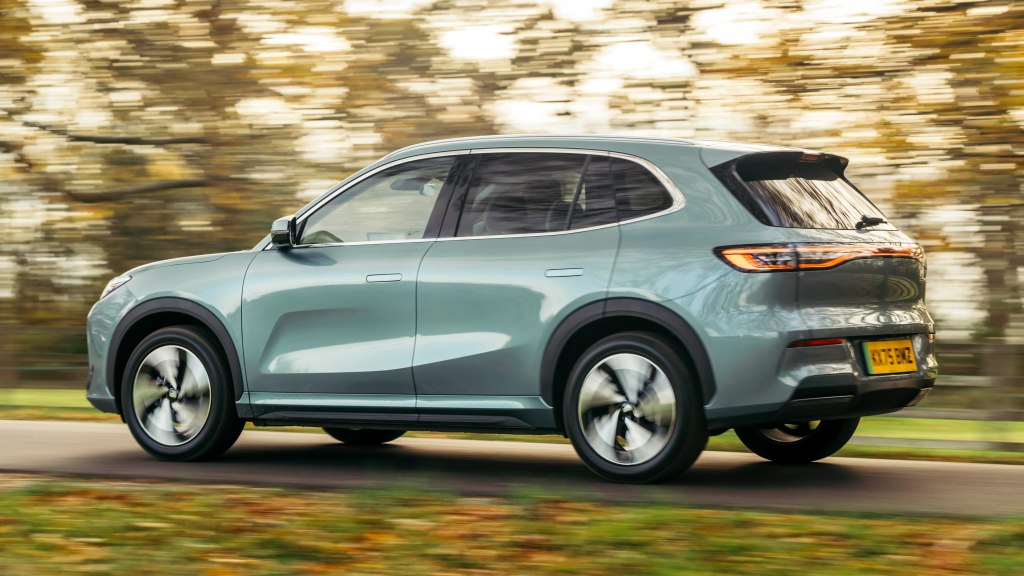
Sutcliffe specifically name-checked Zeekr and Lynk & Co. as potential candidates for a U.S. debut.
That matters because Geely isn’t just “one brand.” It’s a giant holding group with familiar Western names in its orbit too, including Volvo, Polestar, Smart, and Lotus.
But aren’t Chinese cars basically blocked in the U.S.?
Pretty much. The whole setup is awkward on purpose: Geely is showing off Chinese-market EVs in the U.S. while U.S. policy and tariffs make importing Chinese-built vehicles extremely difficult. Electrek frames it as America “effectively” banning Chinese cars from being imported.
Sutcliffe’s response to the tariff question was essentially: Geely is global, it knows how to operate inside trade restrictions, and it’ll find a workable path.

The possible workaround: build in America
Here’s the most concrete breadcrumb: Sutcliffe pointed out that Geely’s stake in Volvo could make Volvo’s South Carolina factory a logical option for local production. He also noted that Volvo and Polestar already build vehicles in the U.S., which could make a Geely entry feel less like a moonshot and more like an expansion plan.
He also waved off concerns about U.S. rules around Chinese software in cars, arguing Geely already navigates different data/privacy regimes globally and would adapt to whatever the U.S. requires.
Why this is a big deal
Plenty of Chinese automakers have flirted with “maybe someday” U.S. plans. What’s different here is the specificity: a named spokesperson, a public venue (CES), and a defined window for an announcement.
If Geely follows through, the competitive pressure could be real. Zeekr, in particular, is positioned as a premium EV brand, and Geely has the scale (and the brand stable) to make a U.S. strategy more plausible than smaller entrants.
What to watch next
- Whether Geely commits to U.S. manufacturing (and where) versus attempting an import path
- Which badge shows up first: Zeekr, Lynk & Co., or something more “U.S.-palatable” via existing brands
- Any signals timed around CES and the next 24–36 months of regulatory and tariff shifts
If you want, I can also tailor this to Electric Future’s usual format (shorter, punchier newsletter style vs. full article), but the core reporting above is ready to drop in as-is.
 Electric Future