
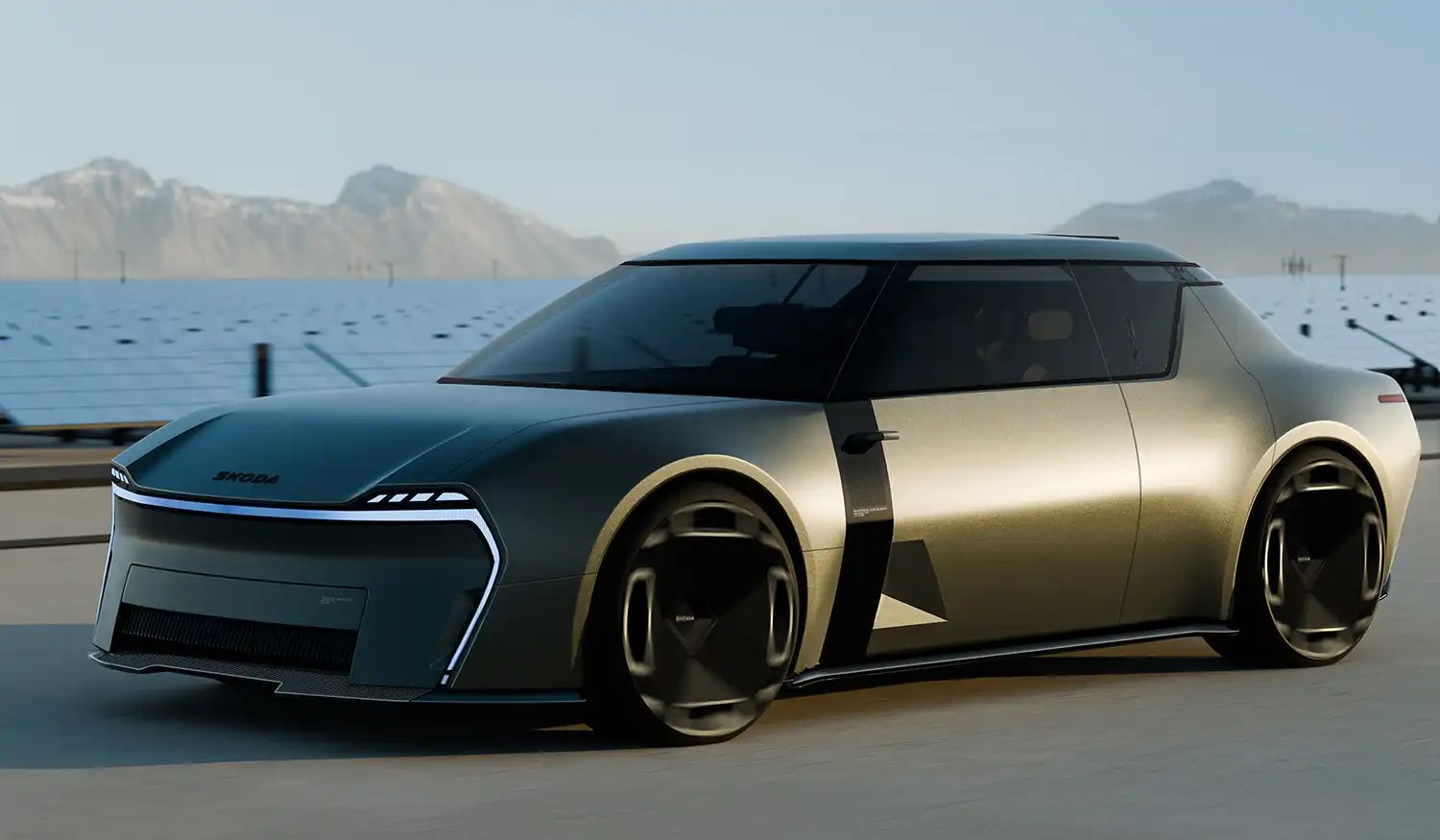
The Škoda 1000 MBX Reimagined for an Electric Era
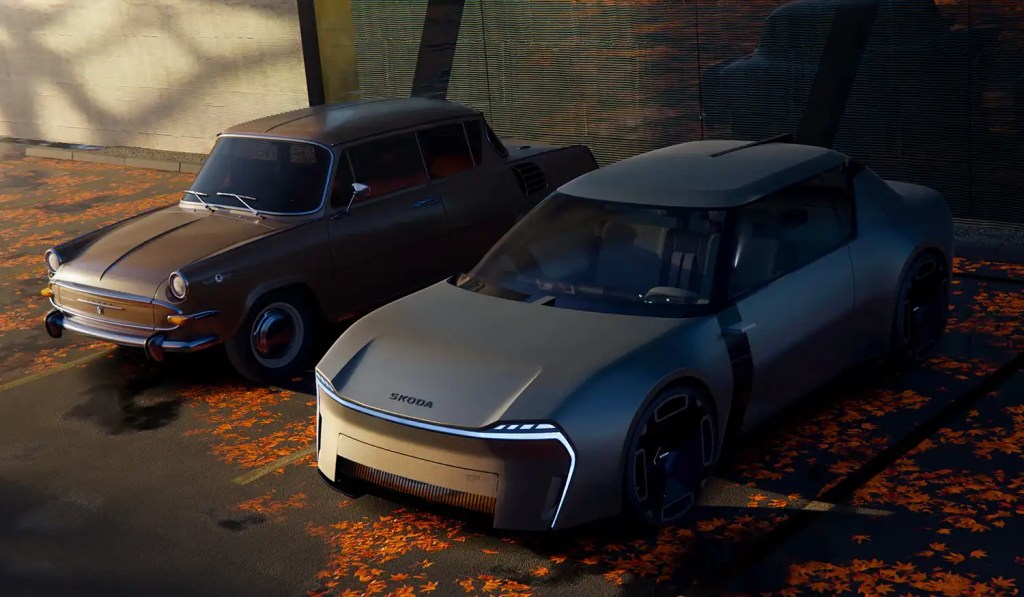
The original Škoda 1000 MBX from the 1960s was a modest, practical coupe known for its approachable character rather than performance. A new electric concept revisits the model with care, updating its form and function while retaining the quiet charm that defined the original. This version treats history as reference, not decoration, resulting in something familiar yet clearly contemporary.

A Design Grounded in Intent
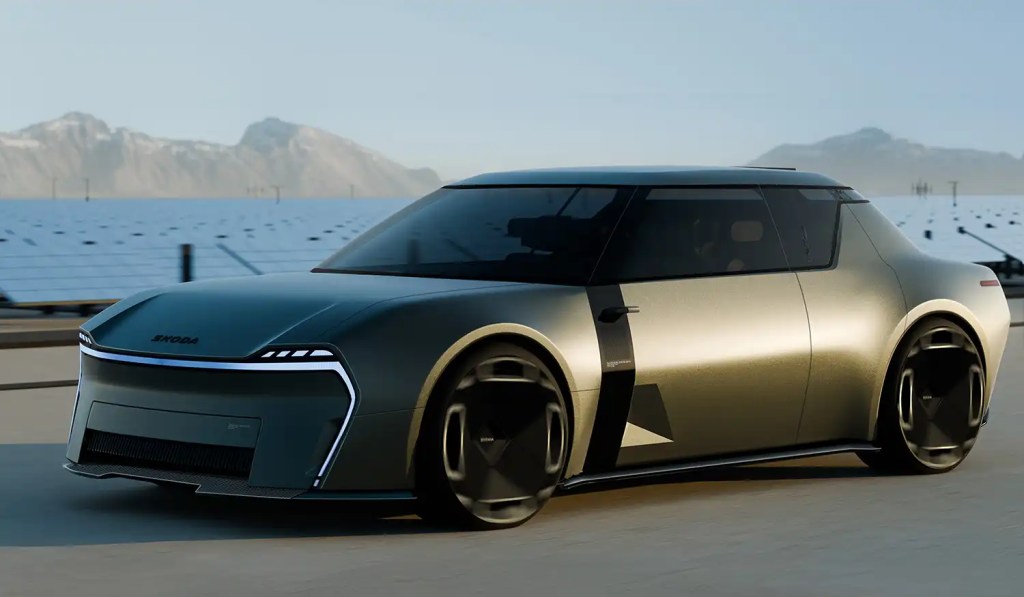
The concept draws from the lines of the 1966 MBX, particularly the distinctive C-pillar shape and the calm surfaces along the body. The update introduces a more architectural language, influenced by brutalist buildings and industrial forms. The panels are flat, the surfaces are simple, and the details are limited to what is necessary. It avoids retro styling and instead focuses on clarity of shape.
One notable change is the removal of the rear window. A camera feed takes its place, allowing the rear structure to become solid. This sharpens the silhouette and creates more usable cargo space. The result is compact, functional, and visually composed.
Interior That Uses Space Well
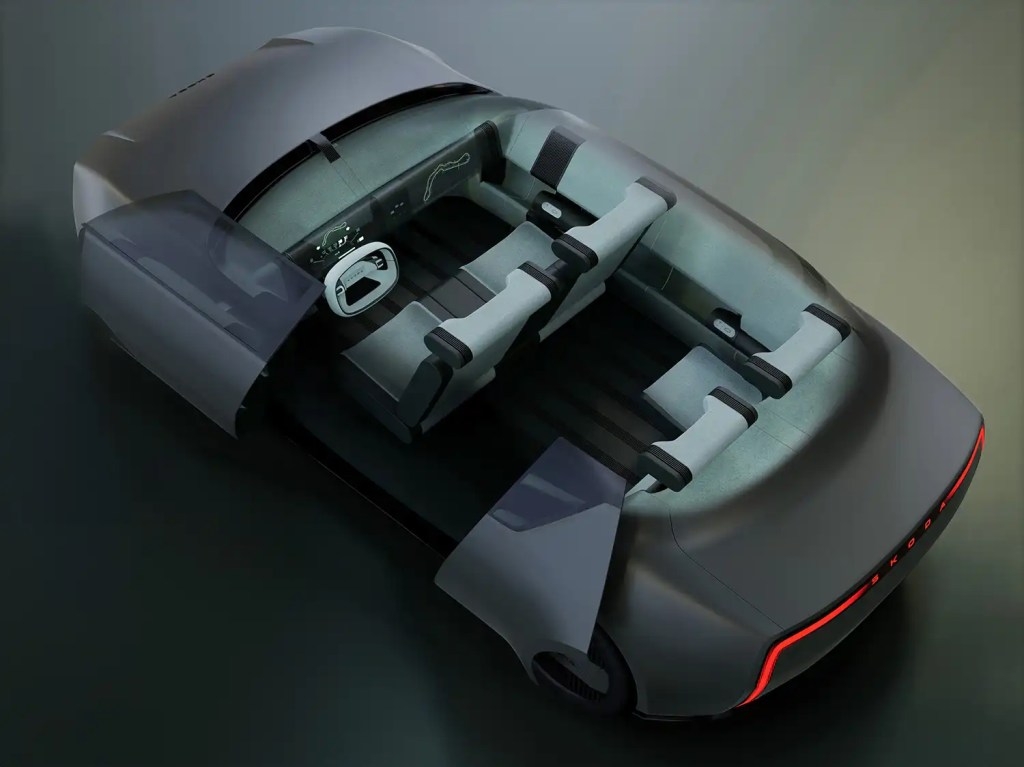
Because the concept is built on an electric platform, the interior layout has more freedom. The front seats can merge into a wide bench. The rear seats fold upward to create a large cargo area that can hold oversized items such as a bicycle.

The cabin is simple and open, with a glass-covered oval display module where key information is projected. The dashboard, steering wheel, and headrests share repeated oval motifs, creating visual consistency without unnecessary ornamentation.
There is no chrome. Materials and light handle the visual interest instead.
Designed for Everyday Use
The car includes features intended for real daily life: adjustable ride height through air suspension, sliding doors for easier entry, and a flexible cargo layout. It is not presented as a showpiece, but as something practical and adaptable.
Why This Matters
Heritage models are often revived as nostalgia plays, driven more by emotion than function. This concept takes a different approach. It respects the past while looking forward. It shows how an electric vehicle can be efficient, useful, and visually quiet. It demonstrates that future cars do not have to feel loud to be confident.
This concept may never reach production, but it offers a clear point of view. Electric design can be thoughtful. It can be simple. It can draw from history without being defined by it.
 Electric Future